
Why Are There So Many Spiders In Denver This Year?
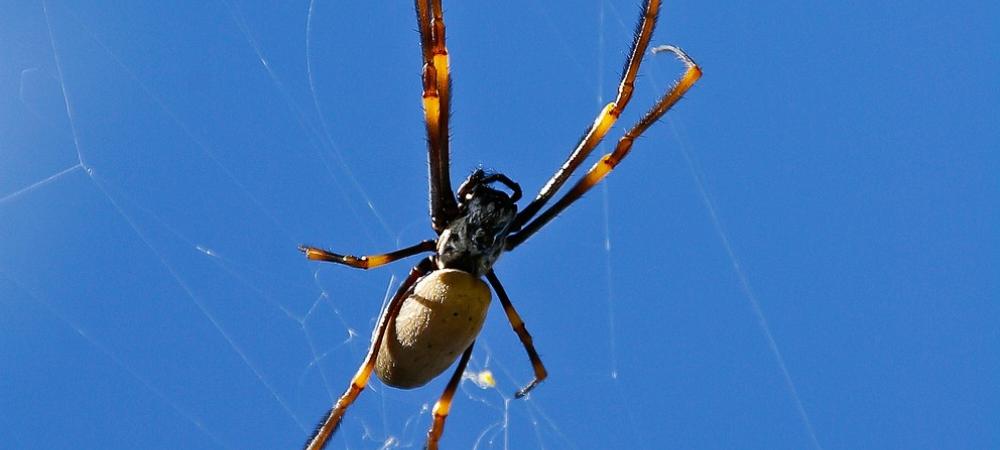
Denver homeowners noticing spiders earlier than usual this year aren't imagining it. According to the National Weather Service, the winter of 2025-2026 ranked among the warmest on record for Denver, with December alone landing as the second-warmest on record at more than 11 degrees above normal. That kind of warmth doesn't just affect snowpack and drought conditions. It also changes how early insect activity, and the spiders that feed on them, gets underway each year.
How Warm Was This Past Winter, Exactly?
Winter 2025-2026 was one of the warmest on record for Colorado, with the state's December-through-February average ranking among the warmest in over 130 years of recorded data. Denver itself saw December temperatures run more than 11 degrees above normal, and February brought 15 days with highs above 60 degrees, one of the highest counts on record for that month. Snowfall was well below normal for most of the season as well.
Why Does A Warm Winter Affect Spider Activity?
A mild winter means fewer hard freezes, and fewer hard freezes mean more insects survive into spring instead of dying off over the cold months. Since spiders feed on those insects, more surviving prey earlier in the year gives spiders more reason to be active earlier too. It's less about the spiders themselves changing behavior and more about their food supply showing up ahead of the usual schedule.
Which Spiders Are Most Common Around Denver Homes?
The two spiders Denver homeowners run into most often are western black widows and wolf spiders. Black widows build cobweb-style retreats in dark, undisturbed spaces, while wolf spiders move around more and are often spotted on the ground or along foundations. Both are drawn to areas where insects are already gathering.
Where Do Spiders Typically Hide Around A Property?
Spiders tend to settle into quiet, undisturbed spaces close to a food and shelter source. Around Denver properties, that often means garages, window wells, meter boxes, rock walls, and stacks of firewood or storage bins. Xeriscaped yards with rock mulch and dry-stack walls can create especially favorable hiding spots, since these features offer both cover and proximity to the insects spiders feed on.
Will Spider Activity Keep Building As Summer Goes On?
It's reasonable to expect it might. Spider populations tend to grow as long as their food supply holds up, and this year's insects got an earlier start than usual. That gives spiders more time across the season to reproduce before cooler fall weather sets in, which means activity that started early this spring could keep building rather than leveling off on the usual timeline.
What Can Homeowners Do To Reduce Spider Activity?
Since spiders follow their food source, reducing the insects around a property is one of the more effective starting points. A few habits that can help:
- Keep firewood, storage bins, and clutter away from the house and up off the ground
- Seal visible gaps around windows, doors, and utility entry points
- Reduce standing water and trim back vegetation touching the foundation
- Keep outdoor lighting angled away from entry points, since lights attract the insects spiders feed on
These steps won't eliminate spiders on their own, but they can make a property less appealing to them.
Concerned About Spider Activity At Your Denver Home?
If you've noticed more spiders around your property than usual this year, you're not imagining it, and you're not alone. You may need professional help to fully get rid of the problem and prevent them from coming back. Our exterminators in Denver are happy to take a look and talk through what's going on. Contact us today to schedule a visit.