
Why Do I Have Centipedes In My Denver, CO Home?
f you're finding centipedes in your Denver home, it's usually because they're searching for moisture, shelter, or other insects to eat.
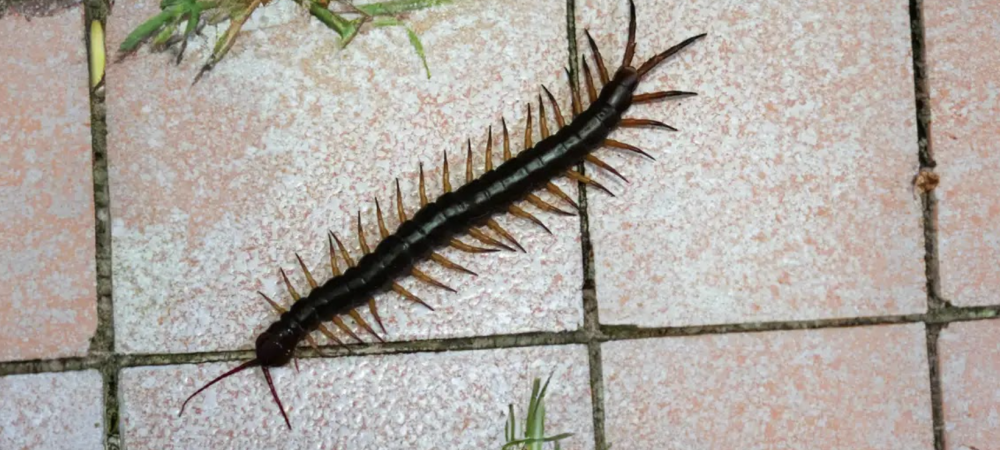
Centipedes are hard to miss when you see one. With anywhere from 15 to 177 pairs of legs, these fast-moving pests have a distinctive appearance that often catches homeowners off guard. Most centipedes are yellow to dark brown and may have darker stripes or markings along their bodies.
Although they look intimidating, centipedes are rarely seen because they are nocturnal and move quickly from one hiding place to another. They typically stay hidden during the day and become active at night while hunting for food.
Why Do Centipedes Want Inside?
Centipedes enter homes because they are looking for damp environments and a reliable food source.
Outdoors, they thrive in moist areas beneath leaf piles, mulch, logs, stones, and other decaying organic matter. When outdoor conditions become too dry or they find easy access indoors, they often move into basements, crawl spaces, bathrooms, laundry rooms, or beneath potted plants where humidity is higher.
Centipedes are also active predators that feed on a variety of household pests, including silverfish, cockroaches, spiders, flies, moths, termites, and other insects. If you're regularly finding centipedes indoors, it may indicate another pest problem is providing them with a steady food supply.
How Can I Prevent Centipedes In My Denver Home?
The best way to prevent centipedes is to reduce moisture around your home, eliminate their hiding places, and control the insects they feed on.
Here are several ways to make your property less attractive to centipedes:
- Repair leaking pipes, faucets, and other sources of excess moisture.
- Use dehumidifiers in damp basements and crawl spaces.
- Run exhaust fans in bathrooms, laundry rooms, and attics to reduce humidity.
- Remove piles of leaves, grass clippings, logs, and other yard debris from around your home.
- Store firewood at least 20 feet away from your house and several inches off the ground.
- Make sure crawl spaces, basements, and attics are properly ventilated.
- Seal cracks, gaps, and openings around your home's foundation, doors, windows, and utility lines.
- Repair damaged window screens and install weather stripping where needed.
- Address other household pest problems since insects serve as a primary food source for centipedes.
Even with these preventive measures, centipedes can still find their way indoors. If you're seeing them regularly, professional pest control is often the most effective long-term solution.
Do I Need Professional Centipede Control?
Professional pest control addresses both the centipedes and the conditions attracting them to your home.
At Advantage Pest Management, our Denver exterminators inspect your property to determine why centipedes are present and where they're hiding. We target existing centipedes while also helping reduce the insect populations they feed on, providing a more complete and lasting solution.
Whether you're dealing with an active centipede problem or want to prevent one from developing, contact our team to protect your home with effective, year-round pest control services.
Key Takeaways
- Centipedes typically enter Denver homes in search of moisture, shelter, and insects to eat.
- While they may look frightening, they rarely bite people and are generally considered more of a nuisance than a serious threat.
- Reducing moisture, removing outdoor hiding places, sealing entry points, and controlling other household pests can help prevent centipedes from moving indoors.
- If centipedes continue to appear in your home, professional pest control can identify the source of the problem and provide long-term relief.